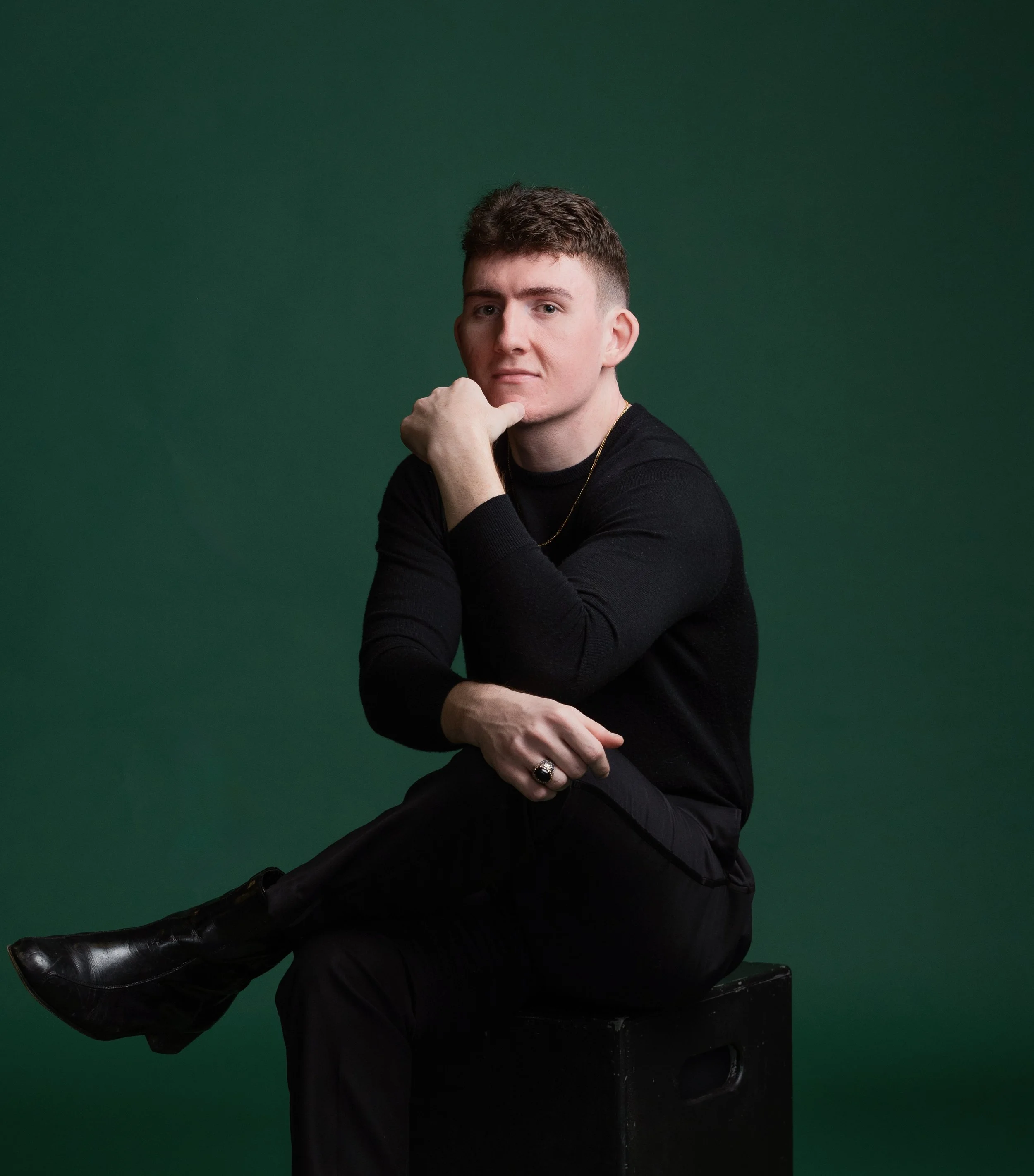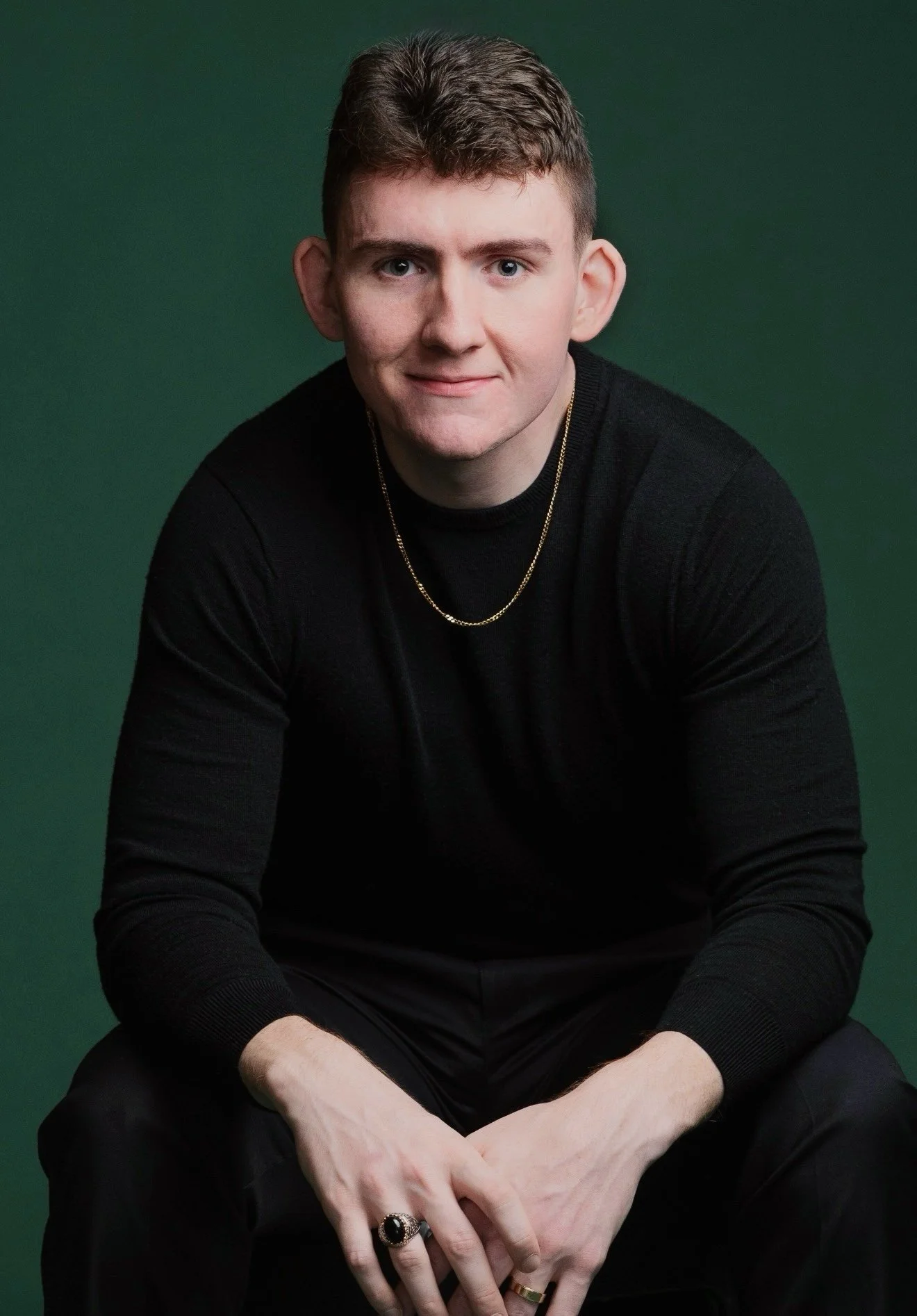
ABOUT ME
Robert Frazier is a bass‑baritone with the dramatic instincts of a thunderstorm and the comic timing of a seasoned sitcom star. His portrayal of the Cappadocian in Salome was praised for its exceptional tone, with Opera Today calling his voice “beautifully colored.”
In the 2025–26 season, he makes his Washington National Opera debut as Figaro in Le nozze di Figaro—his third time in the role—and later returns as Reverend John Hale in The Crucible, as one of the prestigious Cafritz Young Artists.
Recent seasons have seen Robert perform at Wolf Trap Opera where he sang Antonio in Le Nozze di Figaro while covering the title role, Thierry/M. Javelinot in Dialogues des Carmelites, and covered Escamillo in Carmen. At Des Moines Metro Opera, he sang the Cappadocian in Salome and Jimmy O'Donnelly/Mr. Carhart in the world premiere of American Apollo, as well as covering Golaud in Pelléas et Mélisande. At the Ravinia Steans Music Institute, Robert performed Vaughan Williams' Songs of Travel with Pianist, Matthew Gemmill. While at the Music Academy of the West He performed Eric Ewazen’s To cast the shadow again with Pianist Brian Cho.
An active champion of contemporary opera, Robert has premiered roles such as Iorwerth in Rhiannon’s Condemnation by Leigh Amick at Curtis, Rory in Troubleshooting by John Carroll, and performed Quarry’s Songs and the Pedesterra Cycle by Brett L. Wery. He also premiered Infernal Angel by Amy Beth Kirsten at Curtis. This January he will premiere the role of the Husband in The Curse of the Magi, written by Christopher Dietz and Faiza Alex Manaa as part of WNO’s American Opera initiative.
Robert holds a Master of Music from the Curtis Institute of Music and a Bachelor of Music from SUNY Purchase. He is currently studying with Mark Schnaible and has collaborated with directors such as Mo Zhou, Markus Sheilds, John Giampietro and conductors like Nicholas Mcgegan, Vinay Parmeswaren, Daniela Candillari and David Neely.
When not singing, Robert can be found with a cortado in one hand and a vocal score in the other—usually preparing for his next Figaro, or possibly plotting an operatic scheme worthy of one.